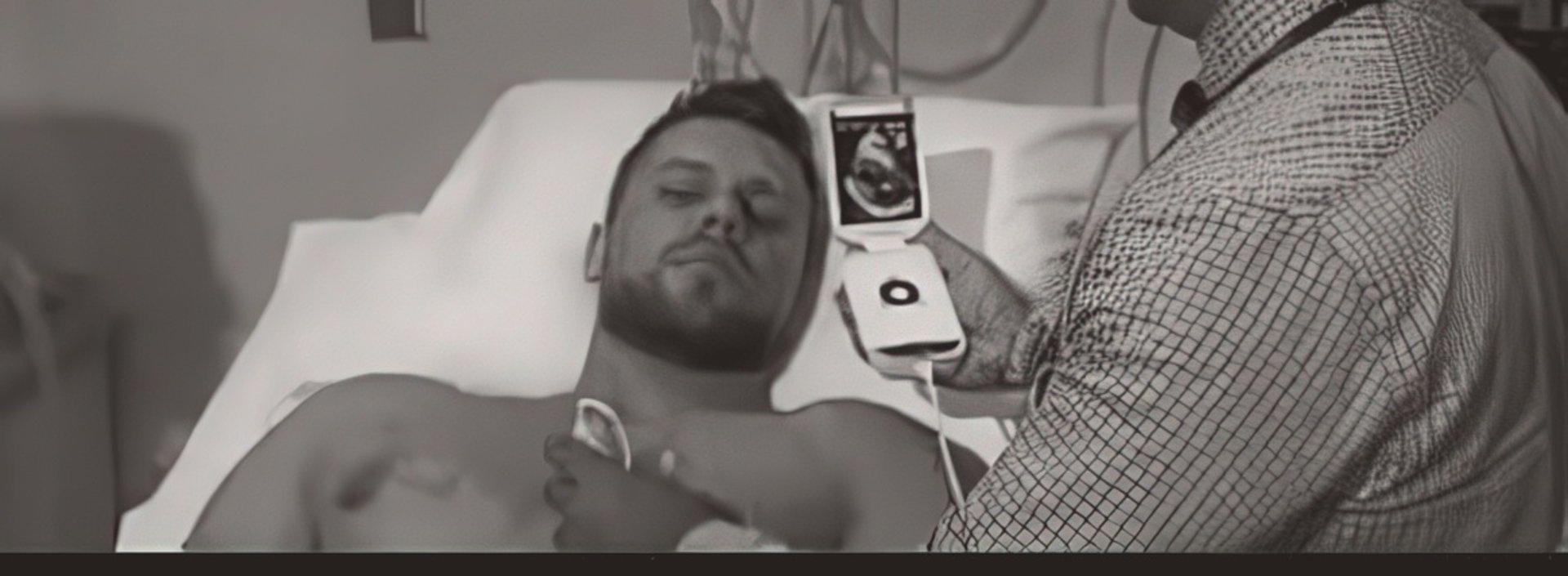
You’re asked to make high-stakes decisions with incomplete information — often before the consult arrives, before transport is safe, and before the patient can tolerate “one more test.”
That’s exactly why bedside ultrasound belongs in your hands.
POCUS isn’t a gadget. It’s a way to see physiology in real time — and to tighten the gap between what you suspect and what you can prove, right now, at the bedside.
In our hands-on micro-class training, you won’t sit through a lecture and hope it sticks. You’ll build a repeatable, clinician-grade scanning workflow you can carry into rounds, admissions, rapid responses, and overnight calls.
Why this matters on your service.
Faster clarification of shock physiology when the differential is wide and time is short.
Better triage and escalation: who can stay on the floor, who needs ICU, and why.
Real-time cardiopulmonary assessment that improves decisions around fluids, diuresis, vasoactives, and ventilation.
More confident evaluation of common inpatient problems (dyspnea, hypotension, chest pain, AKI, sepsis, undifferentiated decompensation).
Cleaner communication with consultants because you can describe what you’re seeing — not just what you’re worried about.
What you’ll be able to do with confidence.
You’ll learn a practical bedside framework that supports everyday decisions, such as:
Distinguishing likely cardiogenic vs distributive vs hypovolemic patterns
Rapid assessment for right heart strain, pericardial effusion, gross ventricular function trends
Lung patterns that help clarify fluid vs air vs consolidation/atelectasis
Targeted volume status and response-to-therapy reassessments
A disciplined approach to when ultrasound answers the question — and when it doesn’t.
How we teach (and why it works for physicians).
Our training is built for clinicians who already think in problems, physiology, and risk.
We keep class size extremely small so you get coached directly at the machine — with immediate correction on probe position, windows, image optimization, and interpretation. You’ll scan repeatedly until your hands and eyes agree: scan → correct → repeat → retain.
We also train what most courses skip: the decision process.
What question are you actually asking?
What is the fastest reliable window?
What finding changes management today?
What is artifact, and what is signal?
Refinement, Not Remediation.
We recognize that your time is limited—and that every professional decision you make carries downstream consequences for patient care. Time with us is not a pause from practice, but a strategic investment in sharper judgment, greater efficiency, and sustained clinical confidence. Our role is to refine how you see, interpret, and decide at the bedside—and to remain a long-term resource as your clinical questions evolve.
I didn't know until I got there that Keith is a first-generation CCU Nurse and Trauma, too. He brought all the parts together exactly like I needed.
-Antoinette Grant
I attended before, many years ago. I really appreciate Keith’s enthusiastic teaching. His knowledge is outstanding. I appreciate the informal format of letting me ask questions. I felt comfortable in doing so. Thank you!
-Lee Roach-Belt
★★★★★
★★★★★
We'll make it transformational.
And we'll mentor you for life.
Tools for Your Support Team
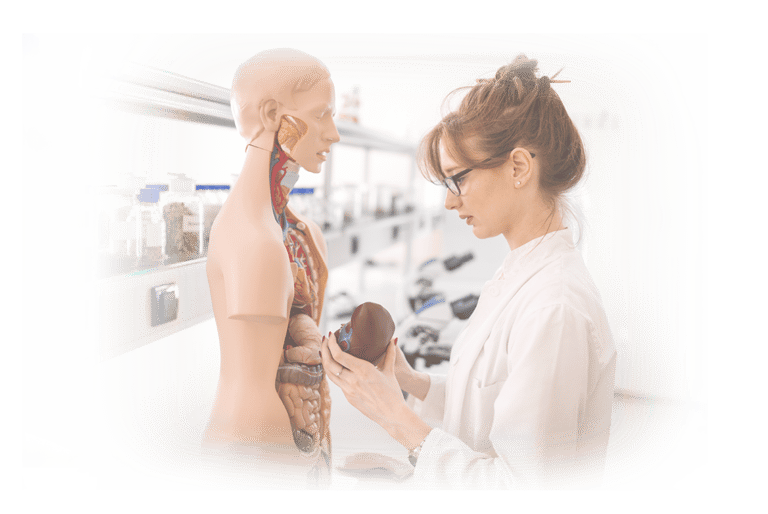
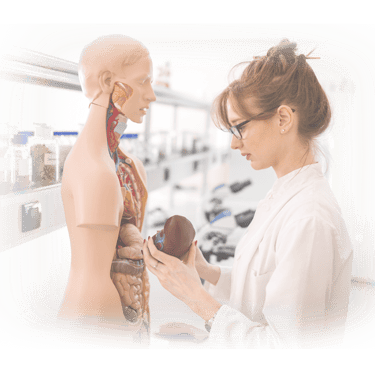
Get your Unit and Clinic Staff interested. Download→ and post our free anatomy chart collection to get the conversation started, all for their own and your patients' benefit.
You and your vital contribution are important to us.
Training Clinicians Worldwide Since 1981.
Testimonials reflect individual learning experiences. Growth in skill and confidence develops through guided training, continued practice, and personal commitment.
Contact
972 | 353-3200 USA Central Time
Course Campus:
4300 Wingren Drive
Irving (Las Colinas), Texas 75039
Mail | FedEx Address:
Box 101
Colleyville, TX 76034
Courses & Learning
Ultrasound Physics
Cardiovascular Hemodynamics
EKG- From Atoms to Arrhythmias