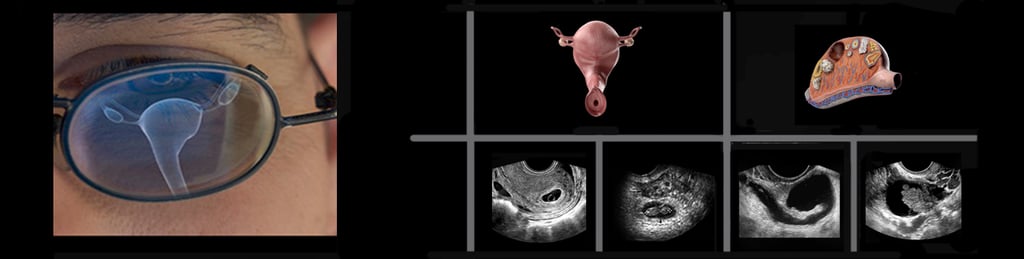
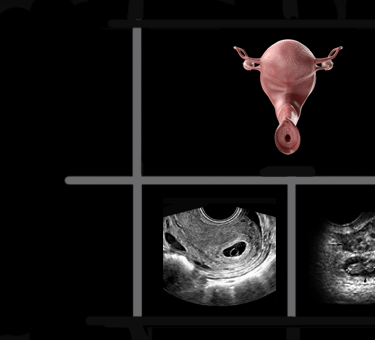
Hands-On Transvaginal Pelvic Ultrasound Imaging & Doppler
A single-day guided experience that develops the skill to evaluate pelvic anatomy and physiology accurately, confidently, and with disciplined clinical reasoning.
“I was new at transvaginal ultrasound imaging and I feel comfortable doing the scan now.”
-Tina Cunningham
Get here. Learn It. Practice it. Do it. Serve.
Imaging the pelvis with clarity.
This is where precision, confidence, and women's care converge. We’ve developed one of the most effective live, hands-on transvaginal ultrasound training experiences available today. In this course, you’ll learn how to perform a complete, efficient, and accurate pelvic exam—from the first image to the final Doppler sweep.
By connecting sonographic anatomy, physiology, and pathology, you’ll strengthen your understanding of both normal and abnormal findings—and build confidence in your patient care.
Personal mentoring support continues after class, always free of charge.
Why This Course Matters For You—Because Evasive Sonographic Anatomy Drives Clinical Decisions.
Pelvic imaging brings technical demands and clinical responsibility together. This hands-on course matters because it trains you to approach deep anatomy with precision, interpret subtle cues within context, and make confident calls that directly affect care planning.
We impart a method of precise anatomic dead reckoning to cut your time and seal your confidence. Through guided scanning and focused repetition, you’ll develop the skill and judgment to move beyond uncertainty to actionable insight.
What Makes This Course Different.
Taught as spatial navigation, not pattern memorization – Develop true 3D anatomic understanding from 2D images, eliminating probe-guessing and hesitation.
Hands-on dominance from the first moment – Guided, deliberate scanning forms the foundation of learning rather than extended lecture or observation.
Instruction adapts to the learner – Small class size allows faculty to adjust teaching in real time to your experience and pace.
Confidence that transfers immediately to practice – Leave with a disciplined, repeatable approach you can apply the very next time stakes are high.
“You related the information and practice directly to exam protocol.
Very effective.”
-Steven J. Pritchard
Training Clinicians Worldwide Since 1981.
Testimonials reflect individual learning experiences. Growth in skill and confidence develops through guided training, continued practice, and personal commitment.
Contact Us
972 | 353-3200 USA Central Time
Course Campus:
4300 Wingren Drive
Irving (Las Colinas), Texas 75039
Mail | FedEx Address:
Box 101
Colleyville, TX 76034
Legal & Administrative
Privacy Policy
Accessibility Statement
© Keith Mauney & Associates Ultrasound Training Institutes MMXXVI. All rights reserved.
Courses & Learning
Upcoming Course Dates
Your Skills-Building Experience
Hands-On POCUS- Point of Care Ultrasound
Hands-On Adult Echocardiography
Hands-On Transvaginal Pelvic Ultrasound
Ultrasound Physics
Cardiovascular Hemodynamics
EKG- From Atoms to Arrhythmias